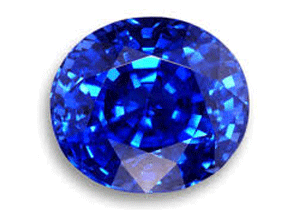
Blue Sapphire is a precious gemstone known for its deep blue color and exceptional hardness. It belongs to the corundum family and is valued for its durability, brilliance, and rarity. Natural blue sapphires may show variations in shade and clarity, and proper testing helps identify authenticity and treatments.
View More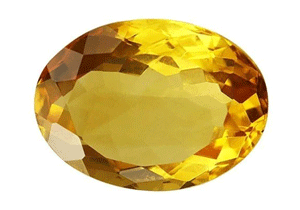
Yellow Sapphire is a bright and attractive gemstone recognized for its golden to lemon-yellow tones. It is commonly valued for its clarity and luster. Certification helps confirm whether the stone is natural and whether it has undergone any enhancement.
View More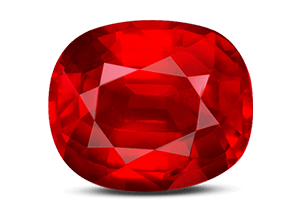
Ruby is a precious gemstone admired for its rich red color and strong brilliance. It is one of the hardest gemstones and belongs to the corundum family. Due to common treatments, certification is essential to identify natural origin and enhancements.
View More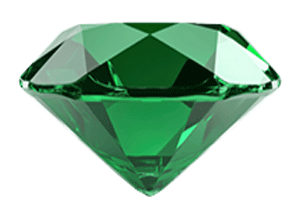
Emerald is a vibrant green gemstone known for its natural inclusions, often called “jardin.” It belongs to the beryl family and is softer than many precious stones, making authenticity and treatment identification important.
View More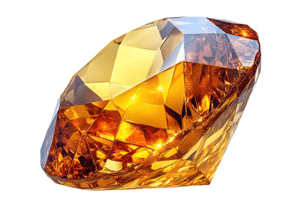
Topaz is a versatile gemstone available in various colors, including blue, yellow, and colorless. Blue topaz is commonly enhanced, making proper testing important to determine treatment and authenticity.
View More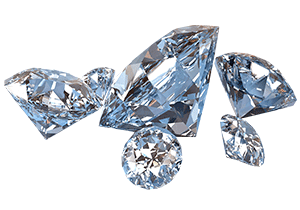
Diamond is the hardest known natural mineral and is valued for its brilliance and durability. Certification helps identify whether a diamond is natural or laboratory-grown and confirms its cut, color, clarity, and carat weight.
View More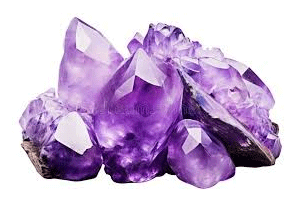
Amethyst is a purple variety of quartz known for its attractive color range from light violet to deep purple. Testing helps confirm natural formation and detect any treatments.
View More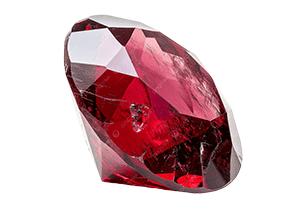
Garnet is a gemstone found in a wide range of colors, most commonly red. It is valued for its natural brilliance and durability, and certification confirms authenticity and species.
View More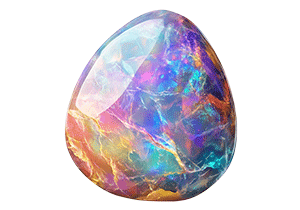
Opal is known for its unique play of color. It can be natural, treated, or synthetic, making certification important to identify its origin and stability.
View More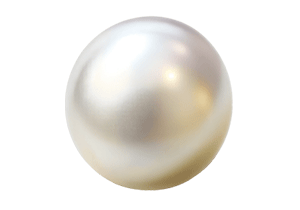
Pearls are organic gems formed inside mollusks. They can be natural or cultured, and certification helps determine their formation type and quality.
View More.png)
Coral is an organic gemstone valued for its red to orange color. Authentication is important to distinguish natural coral from imitations or treated materials.
View More.png)
Hessonite is a honey-brown variety of garnet, known for its warm glow. Certification ensures the stone is natural and untreated.
View More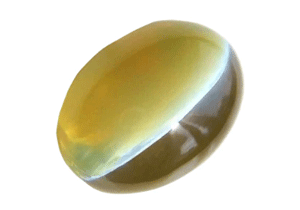
Cat’s Eye exhibits a unique light band effect called chatoyancy. Proper testing is required to confirm natural origin and clarity of the effect.
View More